



BOVINE PROGESTERONE TEST
The cost of a missed heat
Standing heat only shows up in 1 in 5 cows ¹
Up to 1 in 3 “heat” alerts are false²
Almost 1 in 2 cows are culled before a third calving³
£1,000-£1,200 average cost of culling a single cow for failure to conceive⁴
Every missed heat means another 21-day wait and a longer calving interval.
A rapid test that measures progesterone (P4) in milk
Progesterone is the hormone that drives the reproductive cycle. It follows a predictable ~21 day rhythm, and it stays high in pregnancy. When it drops, she’s in heat.
P4HeatRead™ tells you when she’s genuinely in heat, giving you confidence to breed when behavioural signs alone can’t.
Know when she’s ready to breed
Fast
Results in 10 minutes on farm

Accurate
Measures the hormone, not the behaviour

Simple
No lab or special training needed

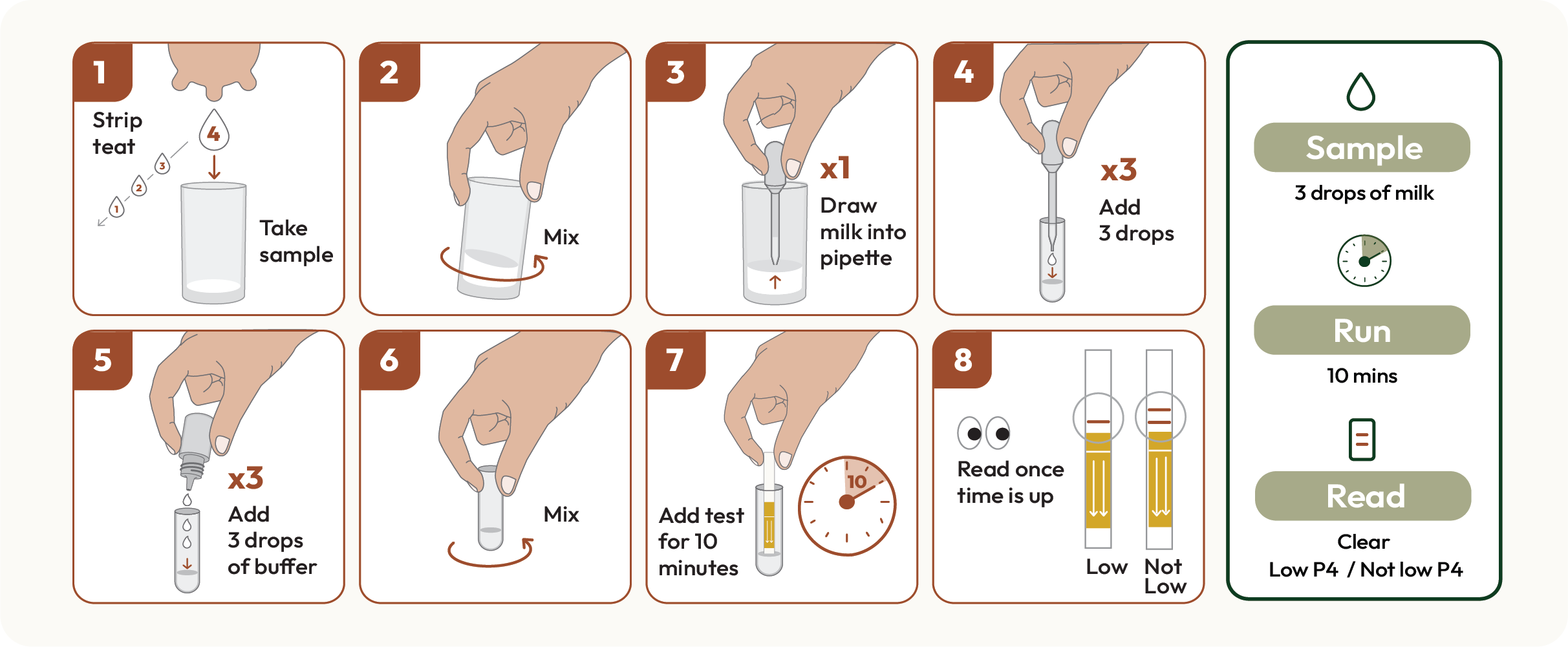
How to run the test
What you can use it for
Confirm heat
Low progesterone means she is genuinely in heat, enabling you to AI at the right time.

Check return to cycling
Confirm a cow is back cycling after calving (test weekly from day 21).

Detect silent heat
Find the ~30% of cows cycling with no visible behaviour.⁵

Investigate problem cows
The same results over three weeks will indicate that she isn’t cycling normally (as should rise and fall throughout the cycle). A cue to call the vet.
Detect non-pregnancy early
A Low result at 21-24 days post-AI means she’s open, so you can re-inseminate sooner.

TAI protocol or validation
Confirm TAI, synchronisation protocols or heat detection methoda are working as intended.

Unlike behavioural aids or activity monitors, P4 HeatRead™ measures the hormone behind heat.
Know before you breed.
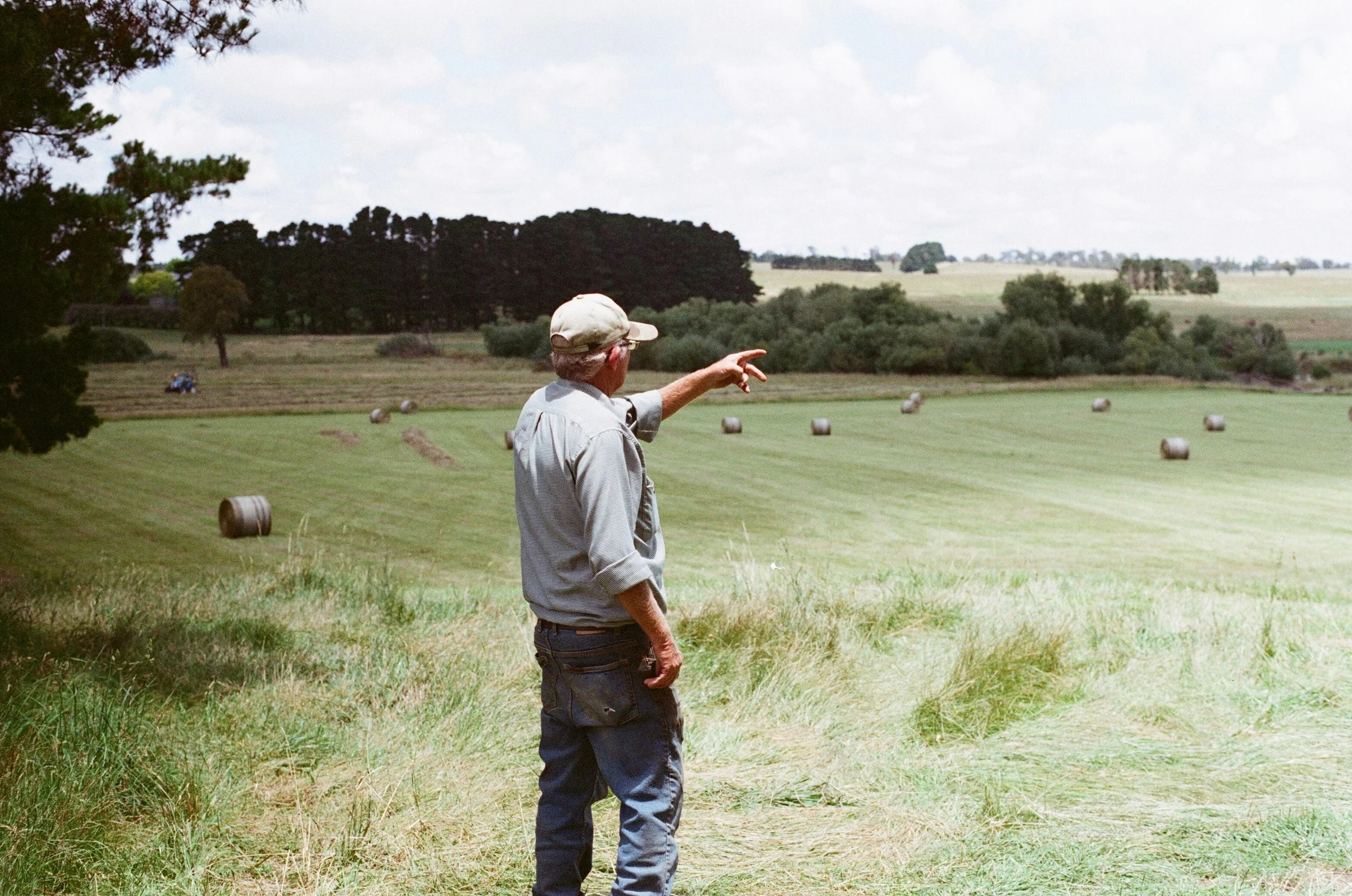
Photo: Rebecca Ritchie
Farmer
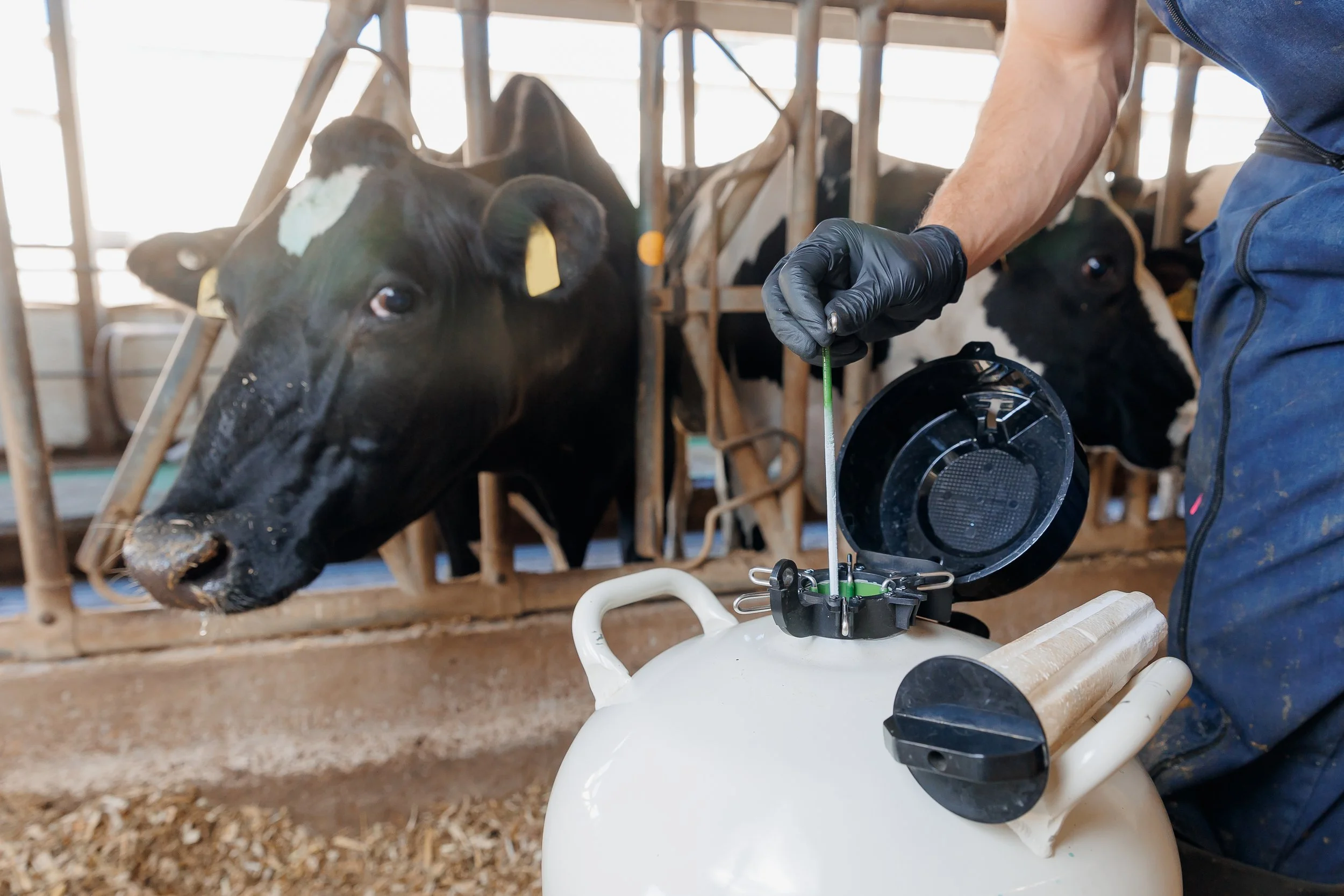
Check whether a cow is actually in heat before AI, and identify cows in silent heat or yet to return to cycling after calving.
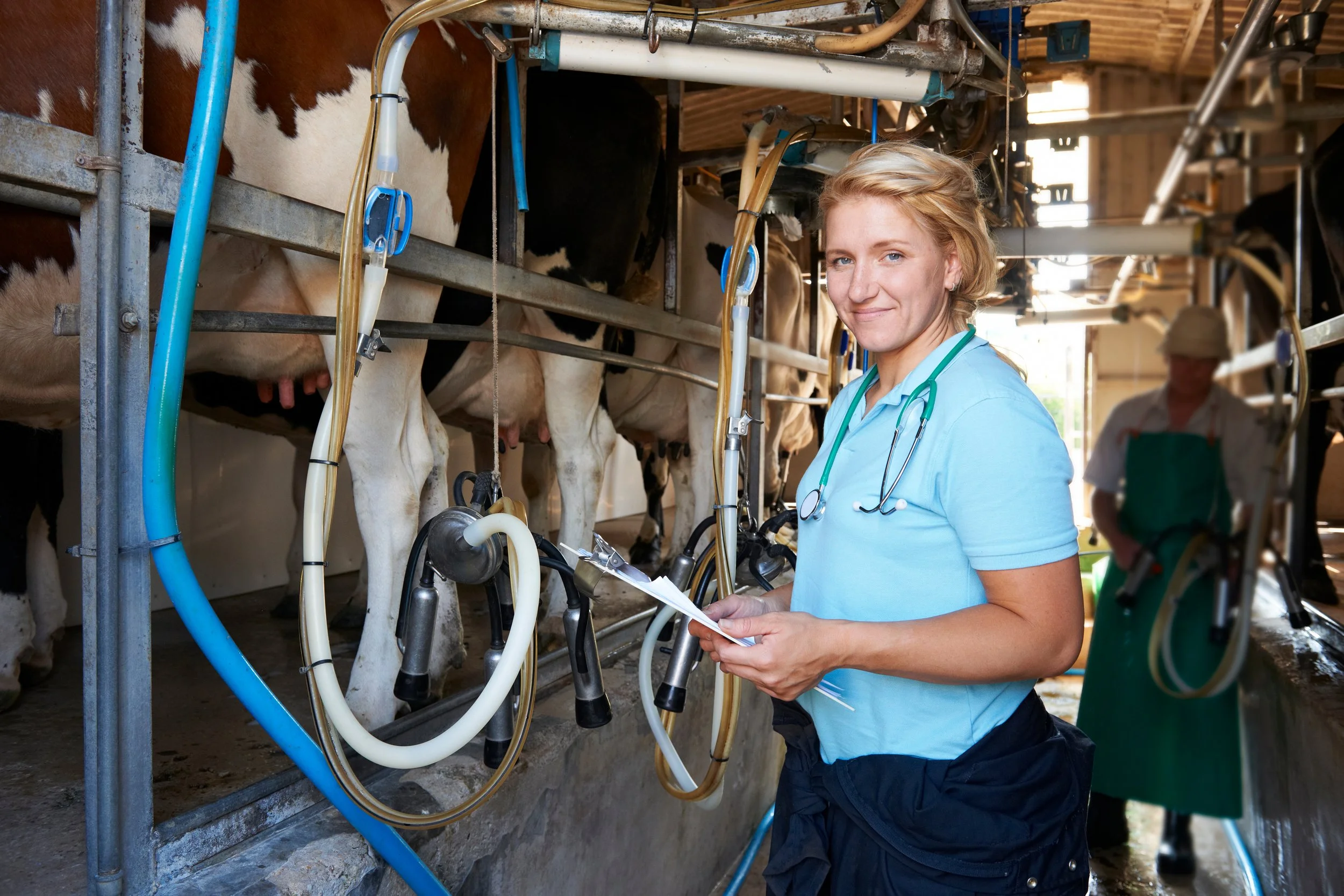
Veterinarian
Investigate problem cows and support fertility programmes on farm.
AI Technician
Confirm when she’s genuinely in her fertile window, so you can AI at the right time.
The wider impact of fertility
up to 24%
Lower methane emissions when herd fertility is restored to ideal levels⁶
Emissions
Lower footprint per litre
Unproductive cows increase the herds footprint by increasing emissions intensity per litre of milk.⁷
Welfare
Longer, healthier lives
Reproductive failure is the leading cause of involuntary culling, so productive cows stay in the herd for longer.⁷
Sustainability
More from the same
Getting cows back in calf promptly will shorten calving intervals and reduce the number of replacement heifers, meaning more output from the same input.
Stop guessing.
Start testing.
Get in touch to discuss P4HeatRead for your herd
-
1.Gaude I, Kempf A, Strüve KD, Hoedemaker M. Comparison of visual and computerized estrous detection and evaluation of influencing factors. Anim Reprod Sci. 2017;184:211–217. doi:10.1016/j.anireprosci.2017.07.019.
2.Aungier SPM, Roche JF, Sheehy M, Crowe MA. Effects of management and health on the use of activity monitoring for estrus detection in dairy cows. J Dairy Sci. 2012;95(5):2452–2466. doi:10.3168/jds.2011-4653.
3. Brickell JS, Wathes DC. A descriptive study of the survival of Holstein-Friesian heifers through to third calving on English dairy farms. J Dairy Sci. 2011;94(4):1831–1838. doi:10.3168/jds.2010-3710.
4. NADIS. Fertility in Dairy Herds — Part 1: What does poor fertility cost? nadis.org.uk (accessed 2026).
5.Shipka MP. A note on silent ovulation identified by using radiotelemetry for estrous detection. Appl Anim Behav Sci. 2000;66(1–2):153–159.
6. Garnsworthy PC. The environmental impact of fertility in dairy cows: a modelling approach to predict methane and ammonia emissions. Anim Feed Sci Technol. 2004;112(1–4):211–223.
7.Dallago GM, Wade KM, Cue RI, McClure JT, Lacroix R, Pellerin D, et al. Keeping dairy cows for longer: a critical literature review on dairy cow longevity in high milk-producing countries. Animals (Basel). 2021;11(3):808. doi:10.3390/ani11030808.